Can You Have Peripheral Neuropathy Without Diabetes?
Burning. Tingling. Numbness. Pins and needles.
These symptoms are often associated with diabetic neuropathy, and diabetes is one of the most common causes of peripheral neuropathy.
But what if you experience these symptoms and don’t have diabetes?
The answer is yes: peripheral neuropathy can have many different causes, and diabetes is only one of them.
What Is Peripheral Neuropathy?
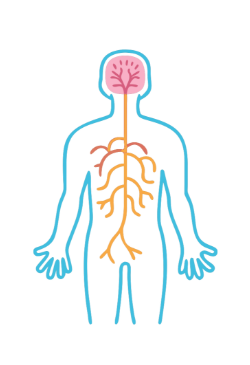
Peripheral neuropathy occurs when nerves outside the brain and spinal cord—the peripheral nerves—become damaged.
These nerves carry information between the brain, spinal cord, and the rest of the body.
Depending on which nerves are affected, peripheral neuropathy can influence sensation, movement, and even certain automatic body functions.

What Does Peripheral Neuropathy Feel Like?
Symptoms vary depending on the nerves affected.
Common symptoms can include:
- Tingling or pins-and-needles sensations
- Numbness
- Burning pain
- Sharp or stabbing pain
- Increased sensitivity to touch
- Muscle weakness
- Problems with coordination or balance
Symptoms frequently affect the hands or feet and may gradually spread into the arms or legs.

If It Isn’t Diabetes, What Else Can Cause Neuropathy?
There isn’t one single cause of peripheral neuropathy.
Besides diabetes, possible causes can include:
- Autoimmune diseases
- Certain infections
- Low levels of certain vitamins
- Kidney, liver, or thyroid disorders
- Certain medications, including some chemotherapy drugs
- Exposure to certain toxins
- Injuries or pressure on nerves
- Inherited neurological conditions
Sometimes, even after evaluation, the cause cannot be identified. This is known as idiopathic peripheral neuropathy.
Can Autoimmune Conditions Affect the Nerves?
Yes.
Some autoimmune diseases can damage peripheral nerves when the immune system mistakenly attacks tissues in the body.
Conditions associated with peripheral neuropathy can include lupus, rheumatoid arthritis, Sjögren syndrome, vasculitis, and chronic inflammatory demyelinating polyneuropathy (CIDP), among others.
This doesn’t mean that everyone with an autoimmune condition will develop neuropathy.
Can Vitamin Levels Play a Role?
Certain nutrients are important for healthy nerve function.
Low levels of some vitamins—particularly vitamin B12—can be associated with neuropathy.
However, tingling or numbness should not be assumed to be a vitamin deficiency, and taking supplements without knowing the underlying cause isn’t a substitute for medical evaluation.
How Do Healthcare Professionals Determine the Cause?
Because peripheral neuropathy has many possible causes, evaluation can involve several steps.
A healthcare professional may review:
- Your symptoms
- Medical history
- Medications
- Family history
- Possible toxin exposure
- Alcohol use
- Other medical conditions
A neurological examination may assess reflexes, strength, sensation, balance, and coordination.
Depending on the situation, blood tests, imaging, or specialized nerve tests may also be considered.
When Should You Talk to a Healthcare Provider?
Occasional tingling can happen for many harmless reasons—such as sitting in a position that temporarily puts pressure on a nerve.
But persistent or unexplained tingling, numbness, weakness, or pain in the hands or feet deserves medical evaluation.
Determining the underlying cause is important because treatment can depend on what is damaging the nerves.
Research Is Helping Us Understand Peripheral Neuropathy
Researchers continue to study the many conditions that can damage peripheral nerves and investigate potential approaches to managing neuropathy.
Clinical research is an important part of expanding that understanding.
Interested in Clinical Research?
If you have been diagnosed with peripheral neuropathy or another neurological condition, you may be eligible for a clinical research study.
This article is for educational purposes only and is not intended to provide medical advice, diagnosis, or treatment.
Sources
Mayo Clinic — Peripheral Neuropathy: Symptoms and Causes
Mayo Clinic — Peripheral Neuropathy: Diagnosis and Treatment