What Happens at a Clinical Trial Screening Visit?
If you have been identified as a potential candidate for a clinical research study, you may be invited to attend a screening visit.
Whether you learned about the study through your healthcare provider, a research site, a referral, or another recruitment source, the screening process is an important step in determining whether a particular study may be appropriate for you.
But what exactly happens during a clinical trial screening visit?
While every study is different, understanding the general screening process can help you know what to expect.
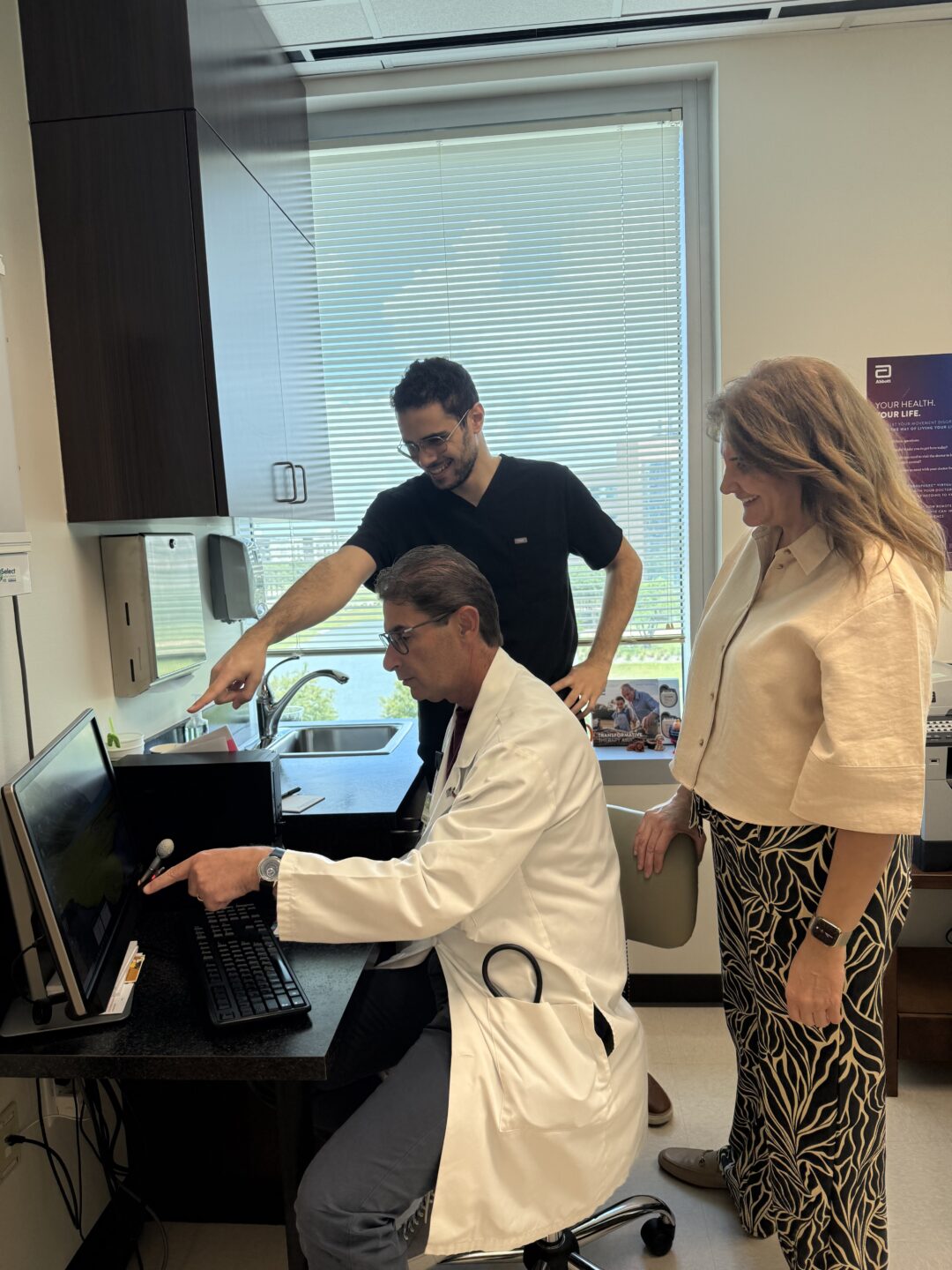
You will Learn More About the Study
Before study-specific clinical screening procedures are performed, informed consent requirements apply.
The informed consent process is designed to give potential participants information about the research and sufficient opportunity to consider whether participation is right for them.
You should have an opportunity to ask questions.
The research team may discuss topics such as:
- The purpose of the study
- What participation involves
- How long participation may last
- Study procedures
- Potential risks and discomforts
- Potential benefits
- Alternative options
- Confidentiality and other participant protections
Informed consent is more than simply signing a form. It is a process intended to help you make an informed and voluntary decision about research participation.
What May Happen During Screening?
The exact screening process depends entirely on the clinical trial.
Depending on the study, screening could involve things such as:
- Reviewing your medical history
- Reviewing medications you’re currently taking
- Discussing your diagnosis or symptoms
- A physical examination
- Vital signs
- Blood or urine samples
- Other laboratory tests
- Questionnaires or assessments
- Study-specific procedures or imaging
Not every clinical trial uses all of these procedures.
The protocol determines what is necessary for that particular study.
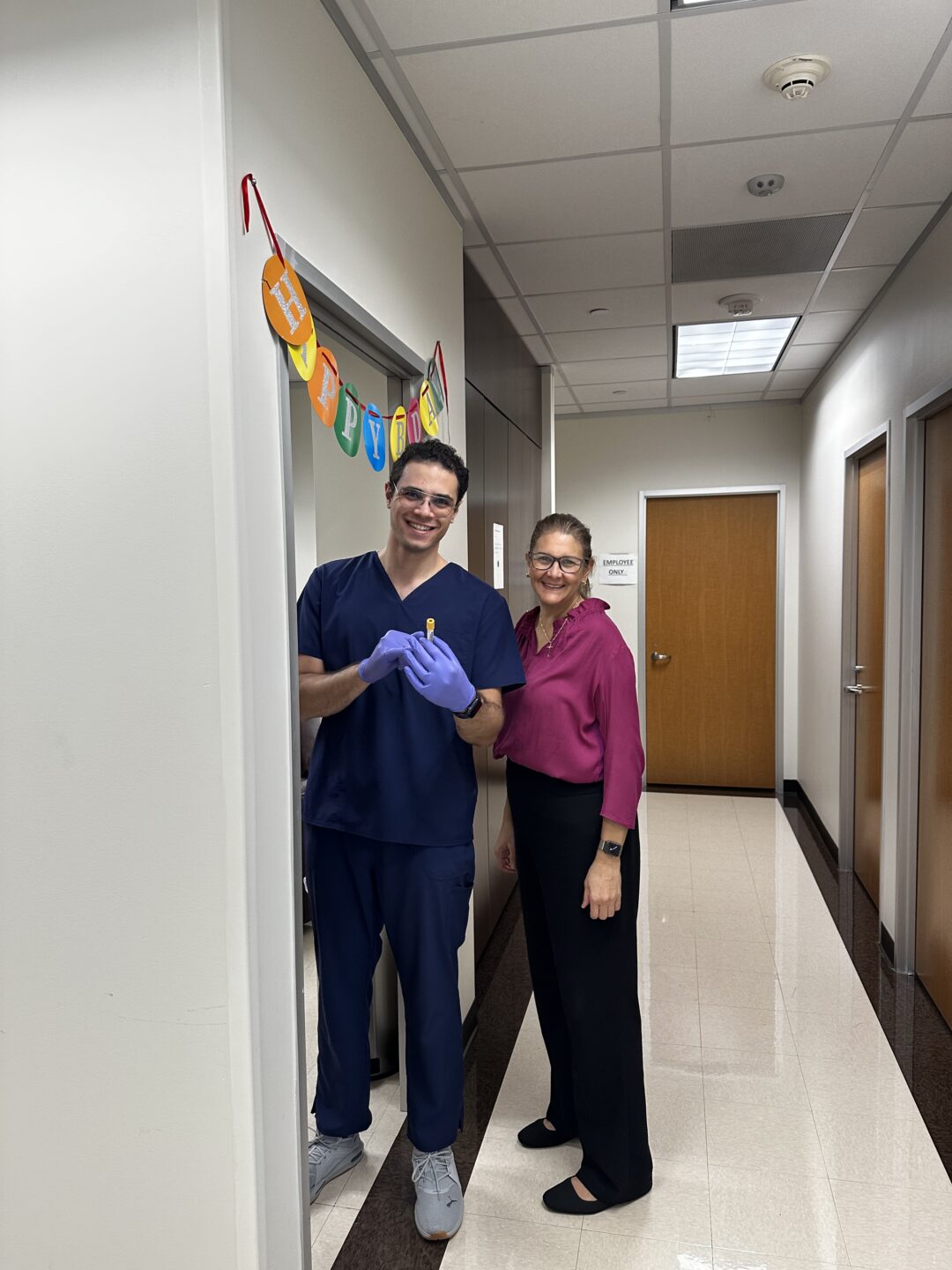
Why Are There So Many Eligibility Questions?
Every clinical trial has specific inclusion and exclusion criteria.
These requirements help researchers define who can participate in the study.
Criteria can involve factors such as age, diagnosis, medical history, medications, laboratory results, previous treatments, or other study-specific characteristics.
That’s why a person can appear to qualify based on an advertisement or phone conversation but later discover during screening that they don’t meet all of the study requirements.
Does Completing Screening Mean You’re Enrolled?
No.
Screening does not guarantee enrollment.
The purpose of screening is to determine whether a potential participant meets the study’s eligibility requirements.
Results from laboratory testing, medical history, examinations, or other assessments may show that someone isn’t eligible for that particular study.
Not qualifying doesn’t mean that anything is “wrong” with the person. Clinical trials are designed around very specific research questions, and eligibility criteria differ from study to study.
What Should You Bring?
The research site should tell you what is needed before your appointment.
Depending on the study, you may be asked to bring information such as:
- Identification
- A medication list
- Relevant medical information
- Contact information for healthcare providers
- Other study-specific documents
If you are unsure, ask the research team before your appointment rather than guessing.
What Questions Should You Ask?
A screening visit is also an opportunity for you to learn.
Consider asking:
- How long does the study last?
- How many visits are involved?
- What procedures will I undergo?
- What are the possible risks and benefits?
- What happens if I decide I no longer want to participate?
- Is compensation or travel reimbursement available?
- Who should I contact if I have questions later?
Research participation is voluntary, and informed consent should provide an opportunity to consider the information and ask questions.
Interested in Clinical Research?
If you are interested in participating in clinical research, explore our current studies to see whether an opportunity may be available near you.
Sources
FDA — Screening Tests Prior to Study Enrollment