Numbness, Weakness, or Tingling That Keeps Getting Worse? What to Know About CIDP
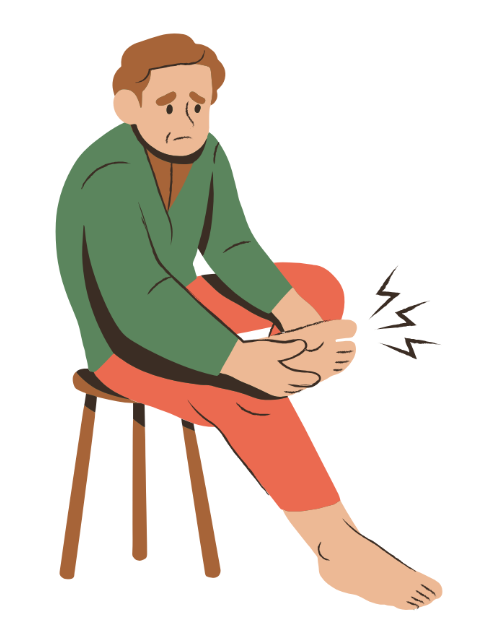
Tingling in a hand or foot can happen to almost anyone.
Maybe you slept in an unusual position or sat on your leg for too long.
But when numbness or weakness doesn’t go away and gradually becomes more noticeable, it may deserve a closer look.
One neurological condition associated with progressive weakness and changes in sensation is Chronic Inflammatory Demyelinating Polyneuropathy (CIDP).
What Is CIDP?
CIDP is a neurological disorder involving the peripheral nerves.
In CIDP, the immune system attacks myelin, the protective covering surrounding nerves.
Damage to this covering can interfere with the nerves’ ability to transmit signals effectively.
NINDS describes progressive weakness and reduced sensation in the arms and legs among the symptoms of CIDP.
What Does CIDP Feel Like?
Symptoms can vary from one person to another.
They may include:
- Progressive weakness
- Numbness
- Tingling
- Reduced sensation in the arms or legs
- Difficulty walking
- Balance problems
- Reduced or absent reflexes
The important word here is progressive.
CIDP isn’t the same as occasionally waking up with a numb arm or having a foot temporarily “fall asleep.”
Symptoms typically persist and develop over time.
Why Does CIDP Affect Movement?
Nerves carry signals between the brain, spinal cord, muscles, and other parts of the body.
Myelin helps those nerve signals travel efficiently.
When the immune system damages the myelin around peripheral nerves, communication between the nerves and muscles can be disrupted.
This can contribute to muscle weakness and difficulties with movement.
Is CIDP the Same as Peripheral Neuropathy?
CIDP is a type of peripheral neuropathy, but peripheral neuropathy is a much broader term.
Many different conditions can damage peripheral nerves, including diabetes, infections, vitamin deficiencies, injuries, autoimmune conditions, certain medications, and inherited disorders.
CIDP is specifically associated with an immune attack on the myelin surrounding peripheral nerves.
Why Can CIDP Be Difficult to Recognize?
Weakness, numbness, and tingling can occur with many different medical conditions.
That means symptoms alone cannot diagnose CIDP.
Healthcare professionals may need to consider the pattern and progression of symptoms and perform neurological examinations and other testing to determine what may be causing the nerve problems.
When Should You Talk to a Healthcare Provider?
Occasional tingling isn’t necessarily a sign of a neurological disorder.
However, persistent or progressive weakness, numbness, difficulty walking, balance problems, or changes in sensation deserve medical evaluation.
A healthcare professional can assess your symptoms and determine whether neurological testing or additional evaluation may be appropriate.
Research Is Helping Us Learn More About CIDP
CIDP is a complex neurological condition, and researchers continue to study how it develops and how it may be treated.
Clinical trials are an important part of evaluating potential approaches and expanding what we know about immune-mediated neurological disorders.
At SCLA Management, we work with clinical research sites across the United States conducting studies across a variety of medical conditions, including neurological disorders.
Interested in Clinical Research?
If you have been diagnosed with CIDP, you may be eligible for a clinical research study.
Explore our current research opportunities to learn more about studies that may be available near you.
This article is for educational purposes only and is not intended to provide medical advice, diagnosis, or treatment.