Recognizing Lupus Symptoms and Flares for Recently Diagnosed Patients
Receiving a lupus diagnosis can feel overwhelming. Many patients have questions about which symptoms are related to lupus, what is considered normal, and how to recognize when the disease may be becoming more active.
Learning to identify lupus symptoms and early signs of flares is an important step in taking control of your health and improving day-to-day management.
Understanding Lupus
Lupus is a chronic autoimmune disease, which means the immune system mistakenly attacks healthy tissues in the body. Lupus can affect different organs, including the joints, skin, kidneys, and other systems.
Because every person experiences lupus differently, symptoms may range from mild to more noticeable and can change over time. Some patients may experience periods where symptoms improve, followed by times when symptoms become more active again.
Common Symptoms of Lupus
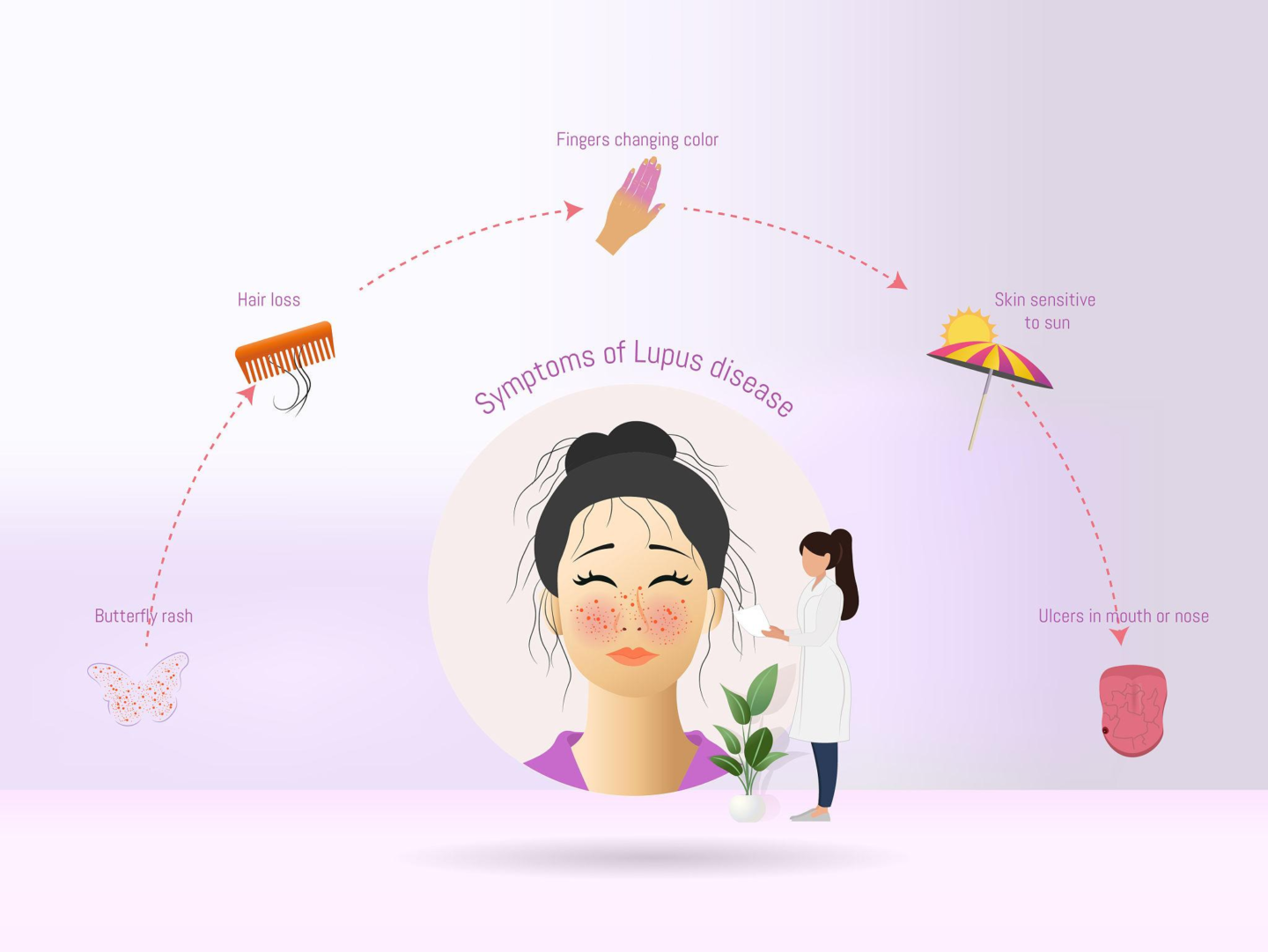
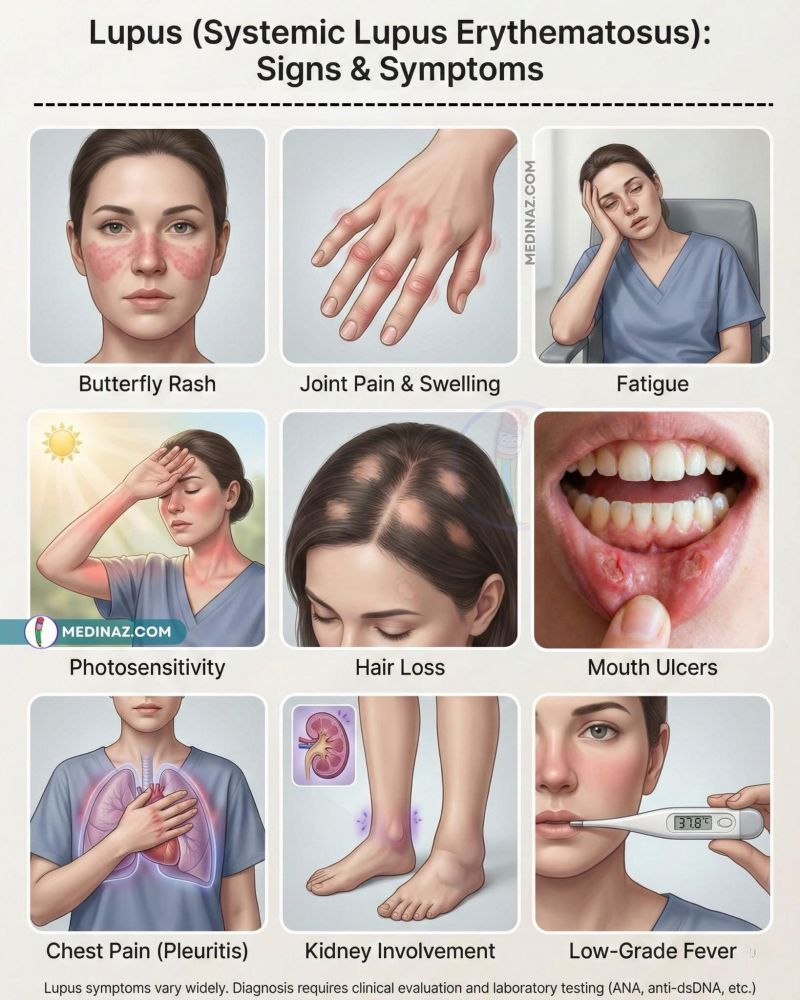
Many patients who are newly diagnosed with lupus experience symptoms such as:
- Ongoing fatigue that does not improve with rest
- Joint pain, stiffness, or swelling
- Muscle aches
- Skin rashes, especially after sun exposure
- Sensitivity to sunlight
- Low-grade fevers
- Hair thinning or hair loss
- Mouth or nose sores
These symptoms may come and go, and some days may feel better than others.
What Is a Lupus Flare?
A lupus flare happens when symptoms worsen or new symptoms appear after a period of feeling stable. Lupus flare symptoms can range from mild to more severe and may last for days or even weeks.
Recognizing a flare early can help you communicate with your healthcare provider sooner and better manage your condition.
Early Signs of a Lupus Flare
Some common early signs of a lupus flare include:
- Increased fatigue
- More joint pain or stiffness
- New or worsening skin rashes
- Headaches or general discomfort
- Fever or flu-like symptoms
Keeping track of your symptoms can help you notice patterns, identify triggers, and recognize when your lupus may be becoming more active.
Managing Lupus Day to Day
While there is currently no cure for lupus, many patients successfully manage their symptoms by:
- Taking medications exactly as prescribed
- Protecting their skin from sun exposure
- Getting enough rest and managing stress
- Maintaining regular communication with their healthcare provider
- Monitoring changes in symptoms and reporting concerns early
Living with lupus often requires patience, consistency, and ongoing support.
You Are Not Alone
A lupus diagnosis can be challenging, but education and support can make a significant difference.
Ongoing medical care and, for some patients, participation in clinical research may offer additional options for managing lupus symptoms and improving quality of life.
At SCLA, we support patients through education, compassionate care, and access to clinical research opportunities that may provide additional treatment options.
If you have been recently diagnosed with lupus and would like to learn more about lupus education or available clinical research studies, our team is here to help.
(877) 972-7576
Sources:
– Centers for Disease Control and Prevention (CDC). Symptoms of Lupus.
https://www.cdc.gov/lupus/signs-symptoms/index.html [cdc.gov]
-Lupus Foundation of America. What Is a Lupus Flare?
https://www.lupus.org/resources/what-is-a-flare [lupus.org]
– National Institute of Arthritis and Musculoskeletal and Skin Diseases (NIAMS).
Systemic Lupus Erythematosus (Lupus).
https://www.niams.nih.gov/health-topics/lupus [niams.nih.gov]
– Mayo Clinic. Lupus: Symptoms and Causes.
https://www.mayoclinic.org/